PIC2 / YER053C Overview
- Standard Name
- PIC2 1
- Systematic Name
- YER053C
- SGD ID
- SGD:S000000855
- Feature Type
- ORF , Verified
- Description
- Mitochondrial copper and phosphate carrier; imports copper and inorganic phosphate into mitochondria; functionally redundant with Mir1p but less abundant than Mir1p under normal conditions; expression is induced at high temperature 1 2
- Name Description
- PI Carrier 1
- Comparative Info
-







Sequence
The S. cerevisiae Reference Genome sequence is derived from laboratory strain S288C. Download DNA or protein sequence, view genomic context and coordinates. Click "Sequence Details" to view all sequence information for this locus, including that for other strains.
- Summary
- PIC2/YER053C is located on the right arm of chromosome V between autonomously replicating sequence ARS513 and protein of unknown function YER053C-A; coding sequence is 903 nucleotides long with 2 synonymous SNPs
Analyze Sequence
S288C only
BLASTN | BLASTP | Design Primers | Restriction Fragment Map | Restriction Fragment Sizes | Six-Frame Translation
S288C vs. other species
BLASTN vs. fungi | BLASTP at NCBI | BLASTP vs. fungi | CGD Synteny Browser
S288C vs. other strains
Protein
Basic sequence-derived (length, molecular weight, isoelectric point) and experimentally-determined (median abundance, median absolute deviation) protein information. Click "Protein Details" for further information about the protein such as half-life, abundance, domains, domains shared with other proteins, protein sequence retrieval for various strains, physico-chemical properties, protein modification sites, and external identifiers for the protein.
- Summary
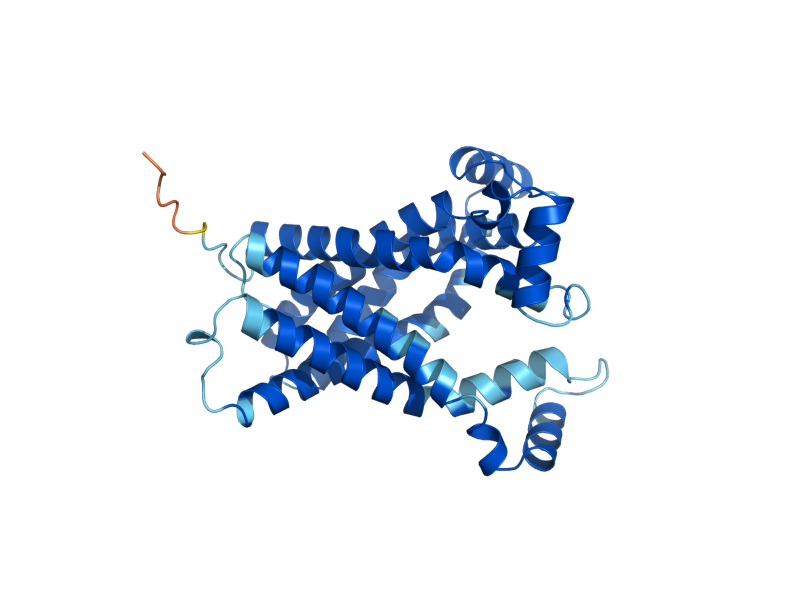
- Pic2p is 300 amino acids long, low in abundance and average half-life; contains mitochondrial carrier protein, transmembrane region domain; succinylated at 8 residues
Alleles
Curated mutant alleles for the specified gene, listed alphabetically. Click on the allele name to open the allele page. Click "SGD search" to view all alleles in search results.
View all PIC2 alleles in SGD search
Gene Ontology
GO Annotations consist of four mandatory components: a gene product, a term from one of the three Gene Ontology (GO) controlled vocabularies (Molecular Function, Biological Process, and Cellular Component), a reference, and an evidence code. SGD has manually curated and high-throughput GO Annotations, both derived from the literature, as well as computational, or predicted, annotations. Click "Gene Ontology Details" to view all GO information and evidence for this locus as well as biological processes it shares with other genes.
- Summary
- Copper ion and inorganic phosphate transmembrane transporter; involved in copper ion homeostasis, copper ion and phosphate ion transmembrane transport; localizes to mitochondrion, putatively integral to membrane in high-throughput studies
View computational annotations
Molecular Function
- Manually Curated
Biological Process
- Manually Curated
- involved in copper ion transmembrane transport (IDA)
- involved in intracellular copper ion homeostasis (IMP)
- involved in phosphate ion transmembrane transport (IDA)
Cellular Component
- Manually Curated
- located in mitochondrion (IDA)
- High-Throughput
- located in mitochondrion (HDA)
Phenotype
Phenotype annotations for a gene are curated single mutant phenotypes that require an observable (e.g., "cell shape"), a qualifier (e.g., "abnormal"), a mutant type (e.g., null), strain background, and a reference. In addition, annotations are classified as classical genetics or high-throughput (e.g., large scale survey, systematic mutation set). Whenever possible, allele information and additional details are provided. Click "Phenotype Details" to view all phenotype annotations and evidence for this locus as well as phenotypes it shares with other genes.
- Summary
- Non-essential gene in reference strain S288C; null mutant has decreased copper accumulation in mitochondria, decreased metal resistance to copper and silver, decreased resistance to multiple chemicals including streptomycin and bathocuproine disulfonic acid, decreased starvation resistance, and variable competitive fitness depending on conditions
Classical Genetics
Disease
Disease Annotations consist of three mandatory components: a gene product, a term from the Disease Ontology (DO) controlled vocabulary and an evidence code. SGD provides manually curated DO Annotations derived from the literature. Click "Disease Details" to view all Disease information and evidence for this locus as well as diseases it shares with other genes.
- Summary
- Yeast PIC2 is homologous to human SLC25A3, and has been used to study mitochondrial metabolism disease
Manually Curated
Interaction
Interaction annotations are curated by BioGRID and include physical or genetic interactions observed between at least two genes. An interaction annotation is composed of the interaction type, name of the interactor, assay type (e.g., Two-Hybrid), annotation type (e.g., manual or high-throughput), and a reference, as well as other experimental details. Click "Interaction Details" to view all interaction annotations and evidence for this locus, including an interaction visualization.
- Summary
- Pic2p interacts physically with proteins involved in RNA catabolism; PIC2 interacts genetically with genes involved in transcription by RNA polymerase II
83 total interactions for 77 unique genes
Regulation
The number of putative Regulators (genes that regulate it) and Targets (genes it regulates) for the given locus, based on experimental evidence. This evidence includes data generated through high-throughput techniques. Click "Regulation Details" to view all regulation annotations, shared GO enrichment among regulation Targets, and a regulator/target diagram for the locus.
Expression
Expression data are derived from records contained in the Gene Expression Omnibus (GEO), and are first log2 transformed and normalized. Referenced datasets may contain one or more condition(s), and as a result there may be a greater number of conditions than datasets represented in a single clickable histogram bar. The histogram division at 0.0 separates the down-regulated (green) conditions and datasets from those that are up-regulated (red). Click "Expression Details" to view all expression annotations and details for this locus, including a visualization of genes that share a similar expression pattern.
All Curated Literature
All manually curated literature for the specified gene, shown as a count of references by year of publication followed by the most recent papers. Click "Literature Details" or "See all" to view all literature information for this locus, organized into topics according to their relevance to the gene (Primary Literature, Additional Literature, or Review).
Loading literature…