New & Noteworthy
SGD Newsletter, August 2026
August 20, 2026
About this newsletter:
This is the August 2026 issue of the SGD newsletter. This issue features a celebration of the 30th anniversary of the first eukaryotic genome sequence, a suite of powerful new SGD features including Pathway Pages and Functional Networks, and practical guides to help you get the most out of your yeast research.
Contents
- Celebrating 30 Years Since the First Eukaryotic Genome
- New Pathway Pages: Comprehensive Views of Yeast Biochemical Pathways
- Explore the Redesigned SGD Search Landing Page
- New Filtering Options on the Yeast Papers Page
- Overhauled Complex Pages: Enhanced Data Access and Improved User Experience
- Functional Networks: Visualizing Gene Relationships at SGD
- Redesigned Chemical Pages: Comprehensive Small Molecule Information in One Place
- How to: Add a New Gene to the Reference Genome Annotation
- How to: Find UTR Lengths for Yeast Genes
- Resource Guide: Where to Order Yeast Strains
- Alliance of Genome Resources News
- microPublications – Latest Yeast Papers
- Upcoming Conferences & Courses
Celebrating 30 Years Since the First Eukaryotic Genome
This year marks the 30th anniversary of a landmark achievement in biology: the publication of the complete Saccharomyces cerevisiae genome sequence in 1996 – the first eukaryotic genome ever sequenced.
Since before the genome was even complete, SGD has served as the authoritative resource for yeast genomics. Over three decades, we’ve evolved from a simple sequence repository to a comprehensive biological knowledge hub, providing expert curation and multi-dimensional annotations that support researchers worldwide.
A special meeting, Life with 6000 Genes, takes place August 31 – September 1, 2026 to commemorate this milestone and the remarkable era of discovery it enabled.
To mark this anniversary, SGD team members have authored a retrospective chronicling our 32-year history, from the founding vision through today’s collaborative database ecosystem. The article will appear in a special issue of FEMS Yeast Research.

Thank you to the yeast research community for three decades of collaboration, contributions, and discoveries!
New Pathway Pages: Comprehensive Views of Yeast Biochemical Pathways
SGD now has Pathway Pages – dedicated pages for each of the 220 manually curated biochemical pathways in yeast.
Pathway pages offer a complete view of specific biochemical pathways in Saccharomyces cerevisiae. Each page integrates information from multiple sources to help you understand what the pathway does, which genes are involved, how gene products interact, and which chemicals are involved.
Interactive Pathway Diagrams
Each pathway page features a pathway diagram showing the chemical reactions and metabolic flow. The diagram displays:
- Chemical compounds involved (substrates and products)
- Enzymes catalyzing each reaction
- Reaction directionality and relationships

A “View interactive diagram at YeastPathways” button takes you to the full interactive version where you can explore the pathway in greater detail.
Pathway Summary
Expert-curated descriptive text explains:
- What the pathway does and why it’s important
- Biological context and cellular roles
- Connections to other metabolic processes
- Key regulatory mechanisms
For example, the glyoxylate cycle page explains how this essential pathway allows yeast to grow on two-carbon compounds and its role in providing precursors for biosynthesis.
Genes Involved
A comprehensive table of genes participating in the pathway includes:
- Gene names (standard and systematic)
- EC numbers for enzymatic activities
- Functional descriptions
- Direct links to gene pages for detailed information
This makes it easy to see all the players in a pathway at a glance and access detailed information on any gene of interest.
Functional Networks
Pathway pages now include the same Functional Networks features available on gene pages:

Shared Annotations Network: Visualizes how genes in the pathway share phenotype and GO annotations, helping you identify:
- Functional relationships between pathway genes
- Connections to genes in related pathways
- Potential regulatory relationships
You can filter the network by the number of shared pathway genes to focus on the most relevant connections.
GO-CAMs: When available, Gene Ontology Causal Activity Model pathway models are displayed, showing:
- Causal relationships between molecular activities
- How gene products work together mechanistically
- Regulatory interactions and dependencies

If multiple GO-CAM models involve genes from the pathway, you can switch between them using a dropdown menu.
GO Enrichment Analysis
The GO Enrichment section shows which biological processes are statistically overrepresented among pathway genes. This helps you:
- Understand the broader biological context
- See connections to related processes
- Identify key functional themes
Each enriched term links to the genes involved and shows the statistical significance (p-value).
Browse All Pathways
Explore all 220 curated pathways:
- Browse pathways: Search for pathways
- Example: Glyoxylate cycle
- YeastPathways: All metabolic pathways
Explore the Redesigned SGD Search Landing Page
SGD’s search landing page has been redesigned to make it easier to find the yeast biological information you need.

Enhanced Search Experience The new landing page features an improved search box with smart autocomplete functionality that suggests genes, chemicals, pathways, and other entities as you type. This makes searching faster and helps you discover relevant results even if you’re not sure of the exact name.
Quick Category Browsing Need to browse rather than search? The new page includes quick access buttons for popular categories including genes, complexes, pathways, and chemicals. Click any category to start exploring without typing a single character.
Advanced Filtering Refine your search results by category or other criteria to quickly zero in on exactly what you’re looking for. The redesigned interface provides clearer visual organization with distinct sections for different data types.
Stay Current with SGD The right side of the page now highlights SGD’s latest activity:
- New Literature Added shows the most recently curated publications
- Recent Annotations displays the latest curated data, including new phenotypes, alleles, and GO annotations
This makes it easy to stay up-to-date with the newest information added to SGD.
There are two easy ways to reach the new search landing page:
- Click the red “Explore SGD” button on the SGD homepage
- Press return/enter in the search box without typing anything (empty search)
Or go directly to: https://www.yeastgenome.org/search
Happy exploring!
New Filtering Options on the Yeast Papers Page

The New Yeast Papers page at SGD (yeastgenome.org/reference/recent) is your rolling monthly snapshot of publications newly added to the database, now with filtering options to help you find the papers most relevant to your research.
The page has always been a great way to stay current with Saccharomyces cerevisiae research, listing newly-added publications over the last 30 days along with the genes, alleles, complexes, and pathways associated with each paper. It’s updated daily, and now you can filter it by:
- Author: find papers by a specific researcher
- Journal: browse what’s new in your favorite publications
- Year: narrow the list by publication year
- Associated genes: zero in on papers linked to your gene of interest
- Associated alleles: filter by specific alleles
- Associated complexes: find papers connected to a complex you’re studying
- Associated pathways: focus on your pathway of interest
Each filter shows the most frequently occurring values along with reference counts, giving you an at-a-glance view of what’s trending in this month’s yeast literature. Combine multiple filters to get as specific as you need, and use Clear all filters to reset. And as always, you can download the full reference list in .nbib format for your reference manager.
Access the New Yeast Papers page anytime via the Literature menu in the purple SGD navigation bar, or from SGD’s new Search landing page (bookmark this!) or go directly to yeastgenome.org/reference/recent. Happy reading!
Overhauled Complex Pages: Enhanced Data Access and Improved User Experience

SGD’s macromolecular complex pages have been overhauled to make complex information more accessible, comprehensive, and easier to navigate.
Why Protein Complexes Matter
Protein complexes are fundamental functional units in cells that operate as groups of proteins that work together to carry out specific biological processes. Since 2019, SGD has provided detailed information about yeast protein complexes, including subunit composition, functions, interactions, and references.
All Gene Ontology Information on One Page
One of the most significant improvements is the reorganization of Gene Ontology (GO) annotations. Previously, GO information was tucked away on a separate tab, requiring you to navigate away from the main view. Now, all GO annotations are prominently displayed right on the Summary page.
What you can see at a glance:
- Molecular Function: What the complex does
- Biological Process: What pathways or processes it participates in
- Cellular Component: Where in the cell it’s located
All three are now visible directly on the Summary page.
GO-CAM Pathway Models for Complexes
We’ve also integrated GO-CAM (Gene Ontology Causal Activity Models) pathway models directly into complex pages. When available, these models appear below the GO annotations, showing how entire protein complexes fit into larger biological pathways and regulatory networks.
Enhanced Composition Section
Stoichiometry Data: For complexes where the subunit ratios have been experimentally determined, you’ll now see the exact stoichiometry, providing quantitative information about complex architecture.
Structural Information:
- Expert-curated notes about complex assembly and structural features
- Direct links to Protein Data Bank (PDB) entries for complexes with experimentally determined 3D structures
- Protein-protein binding regions and interaction interfaces (when characterized)
Organized Display: Subunits are now grouped by their roles or relationships within the complex, making it easier to understand how the complex is organized.
Easy Navigation: Each subunit links directly to its SGD gene page, so you can access detailed information on individual components.

Shared Biology Networks
Complex pages now include a Shared Biology section that shows GO annotations shared with other complexes, subunits shared between complexes, and ranked lists that prioritize the most functionally related complexes.

Improved User Experience Throughout
- Clearer section headers make information easy to find
- Better spacing and organization improve readability
- Consistent styling with other SGD page types provides a unified experience
- Logical information hierarchy puts the most commonly accessed data front and center
- Example: Sulfite reductase complex (NADPH)
- Browse all complexes: Search for complexes
Functional Networks: Visualizing Gene Relationships at SGD

New Functional Networks sections are now available on gene and complex pages. This addition helps researchers understand how genes and proteins work together in biological systems.
Shared Annotations Networks
Ever wondered which other genes might have similar functions to your gene of interest? The Shared Annotations network visualizes genes that share similar Gene Ontology (GO) annotations with your query gene. These networks are generated based on overlapping GO terms across Molecular Function, Biological Process, and Cellular Component.
Why is this useful?
- Identify potential interaction partners
- Find paralogs with related functions
- Discover genes that may participate in similar biological processes
- Generate hypotheses for experimental design
Most genes in the S. cerevisiae genome have sufficient GO annotations to generate these networks, providing broad coverage across the yeast proteome.
GO-CAM Pathway Models
GO-CAMs (Gene Ontology Causal Activity Models) represent an exciting advancement in pathway representation. Unlike traditional GO annotations that link individual genes to single terms, GO-CAMs show how multiple gene products work together in integrated pathway models with causal relationships showing how one molecular activity leads to another.

What makes GO-CAMs special?
- Causal relationships: See how one molecular activity leads to another, including activation, inhibition, and regulatory interactions
- Integrated view: Combines Molecular Function, Biological Process, and Cellular Component information in one unified model
- Evidence-based: All models are manually curated by expert biologists and supported by published experimental data
Currently, 470 yeast genes are associated with GO-CAM models, and this number continues to grow as additional pathways are curated.
When multiple GO-CAM models are available for a gene, you can easily switch between them using a pull-down menu. Each model includes a “View GO-CAM at Gene Ontology” link that opens the interactive pathway in AmiGO, where you can explore detailed evidence codes, supporting references, and connections to other pathways.
Functional Networks on Complex Pages
We’ve also added a Shared Biology section to macromolecular complex pages. This section shows:
- GO annotations shared with other complexes
- Subunits shared between complexes
- A ranked list summarizing these relationships
This helps researchers understand how protein complexes relate to each other and identify functionally similar complexes.

How to Access
Simply navigate to any gene page at SGD and scroll to the Functional Networks section (located beneath Gene Ontology). For complex pages, look for the Shared Biology section.
- Example gene page: https://www.yeastgenome.org/locus/MET2
- Example complex page: https://www.yeastgenome.org/complex/CPX-3163
Part of a Bigger Picture
The GO-CAM display on SGD gene pages replicates the implementation from the Alliance of Genome Resources, providing a consistent user experience across model organism databases. This integration reflects our commitment to making yeast data accessible and interoperable with other genomic resources.
Redesigned Chemical Pages: Comprehensive Small Molecule Information in One Place
SGD’s chemical pages have been redesigned to provide comprehensive information about small molecules relevant to yeast biology such as metabolites, drugs, and experimental compounds, all in a more accessible, more user-friendly format.
Small molecules play crucial roles in yeast biology, from essential metabolites that keep cells functioning to experimental compounds that reveal how cellular processes work. SGD chemical pages bring together curated information about how these chemicals affect yeast, connecting chemical entities to genes, phenotypes, and biological pathways.
Chemical Structures Front and Center
The redesigned pages now display interactive 2D chemical structures prominently at the top of each page. These structures clearly show molecular connectivity and functional groups, providing immediate visual recognition of the compound.

All Information on One Page
No need to navigate between multiple tabs! Everything you need to know about a chemical is now presented on a single, unified page:
Comprehensive Identifiers and Database Links:
- ChEBI ID (we use the Chemical Entities of Biological Interest ontology maintained by EMBL-EBI)
- IUPAC name
- PubChem CID
- Common names and synonyms
- Molecular formula and weight
This integration makes it easy to explore the chemical across multiple resources and access broader chemical and metabolic information.
Curated Experimental Data
Each chemical page now includes rich experimental data curated from the yeast literature:
Phenotype Annotations
See the effects of the chemical on yeast:
- Growth effects
- Metabolic changes
- Other cellular processes

This section includes annotation statistics, top genes and phenotypes involving each chemical. Every phenotype annotation is linked to supporting experimental evidence and literature references, so you can trace findings back to the original research.
Gene Ontology Annotations and Enrichment
The GO Annotations section shows how the chemical is annotated within the Gene Ontology framework, connecting it to specific biological processes, molecular functions, and cellular components.
For metabolites, you’ll also find links to relevant metabolic pathways in YeastPathways throughout the GO annotation tables, connecting chemical entities to their biological context in small molecule metabolism.
The GO Enrichment section shows which biological processes and molecular functions are significantly associated with genes affected by the chemical, helping you:
- Understand the broader biological context of chemical-gene interactions
- Identify patterns in how chemicals influence cellular systems
- Generate hypotheses about mechanism of action
Shared Chemicals Network
The Shared Chemicals section displays other chemical entities that share similar properties, annotations, or biological roles. This makes it easy to:

- Explore chemical families
- Find compounds with similar effects
- Identify potential alternative compounds for experiments
Complete Literature Coverage
The References section compiles all publications from which data about the chemical has been curated. This provides direct access to the primary literature and shows you the full scope of research on each compound.

- Example: Cisplatin
- Example: Caffeine
- Browse all chemicals: Search for chemicals
How to: Add a New Gene to the Reference Genome Annotation
SGD maintains the most up-to-date version of the complete genomic sequence of S. cerevisiae strain S288C. If your lab has characterized a gene or genomic feature that isn’t yet annotated, getting it added is a meaningful contribution. Here’s what SGD needs from you to do that:

Publicly Available Data
SGD only adds features based on published data. All coordinates, strand information, and sequence data must already be explicitly reported in a peer-reviewed publication. Depositing the sequence, including the genome sequence version used, in a public repository such as GenBank is also required.
What Should be Included in the Publication:
- Explicit chromosomal coordinates, including genome sequence version used — stated in the text or a supplemental table, not only inferred from a figure or visualization
- Strand orientation — sense (+) or antisense (–)
- Strain background — SGD is built on S288C; note if your data maps to a different strain such as SK1 or W303
- Feature type — protein-coding gene, ncRNA, pseudogene, regulatory region, etc.
- GenBank Accession — Accession number from GenBank to identify the feature
When to Reach Out
Genome annotation updates at SGD are released periodically rather than continuously. When a new feature is identified, it is added to the list of new features that will be reviewed for incorporation into the next update. There are three good moments to contact us at sgd-helpdesk@lists.stanford.edu:
Before publication — if your paper is in preparation or under review, reaching out early lets curators know to watch for it. They can review the manuscript details and be ready to act as soon as it is accepted and assigned a PMID.
At or after publication — once your paper is published and indexed in PubMed, contact us with the PMID and point curators to where the relevant data appear in the paper.
If your paper is already in SGD but the feature is missing — SGD has curated thousands of papers and may have captured some findings from a publication while missing others. If you notice that a gene from your own work hasn’t been annotated, let us know and we will revisit the paper.
How to: Find UTR Lengths for Yeast Genes
Have you ever wondered where you can find information about the 5′ and 3′ UTRs (untranslated regions) for a list of yeast genes? If you’re working with Saccharomyces cerevisiae and need UTR information, we have several solutions depending on your needs.
Option 1: Bulk Download Files for Large Datasets
If you’re analyzing multiple genes or need comprehensive UTR data, downloading our complete datasets is the most efficient approach.


Access the SGD Downloads site: http://sgd-archive.yeastgenome.org/sequence/S288C_reference/
Download these two files:
- 5′ UTRs: http://sgd-archive.yeastgenome.org/sequence/S288C_reference/SGD_all_ORFs_5prime_UTRs.fsa.zip
- 3′ UTRs: http://sgd-archive.yeastgenome.org/sequence/S288C_reference/SGD_all_ORFs_3prime_UTRs.fsa.zip
These files contain FASTA-formatted sequences for all annotated ORF UTRs in the yeast genome. Once you download and extract the files, you can easily parse the sequences to determine lengths for your genes of interest. README files with additional details are located in the same folder.
Option 2: Query Individual Genes or Gene Lists with AllianceMine

For looking up UTR data on individual genes or specific gene lists, use the Gene -> UTRs template in AllianceMine:
https://www.alliancegenome.org/bluegenes/alliancemine/templates/Gene_UTRs
This tool allows you to input your genes of interest and retrieve UTR information in a structured, easy-to-use format.
Option 3: Browse UTRs Visually with JBrowse

If you prefer to explore UTR features in their genomic context, check out the UTR tracks in SGD’s JBrowse genome browser: https://jbrowse.yeastgenome.org
The visual browser lets you see UTRs alongside other genomic features, making it ideal for examining individual loci or exploring chromosomal regions.
Resource Guide: Where to Order Yeast Strains
One of the most frequent questions we receive at the SGD Helpdesk is: “Where can I order yeast strains for my research?” We’ve compiled a guide to help you locate the strains you need, whether you’re looking for deletion mutants, specific genetic backgrounds, or specialized collections.

Finding Strains Through SGD
SGD makes it easy to locate available strains directly from gene pages. Here’s how:
- Start at the Locus Summary page for your gene of interest (example: https://www.yeastgenome.org/locus/S000005000)
- Click on the “Phenotype” tab to navigate to the Phenotype Details page (example: https://www.yeastgenome.org/locus/S000005000/phenotype)
- Scroll to the “Resources” section at the bottom of the page
The Resources section includes direct links to several strain resources:
- Addgene Plasmids — Plasmid repository
- DNASU Plasmids — Plasmid resource collection
- LibrarYeast — Yeast strain and plasmid libraries
European Collections
- Euroscarf (European Saccharomyces cerevisiae Archive for Functional Analysis) — One of the largest yeast strain collections, providing deletion mutants, overexpression strains, and other specialized collections.
- National Collection of Yeast Cultures (NCYC) — Maintains over 4,000 yeast strains, including wild-type isolates and reference strains.
- Industrial Yeasts Collection DBVPG — Houses over 6,000 yeast strains with a focus on industrial and wild yeasts.
- CABRI (Common Access to Biological Resources and Information) — Provides access to catalogs from multiple European culture collections.
North American Collections
- ATCC (American Type Culture Collection) — A premier biological resource center offering authenticated yeast strains, including reference strains and mutant collections.
Specialized Collections and Commercial Sources
- Schuldiner Lab Collections and Libraries — Specialized strain collections and genomic libraries.
- Creative Biogene Knockout Strains — Offers S. cerevisiae S288C knockout strains.
- Horizon Discovery Yeast Tools — Provides parental strains and yeast research tools.
Alliance of Genome Resources News
Alliance of Genome Resources – Advance Release Notes: 9.1.0
The following release notes are being published in advance of an upcoming release of the Alliance of Genome Resources website and dataset, expected August/September 2026, to give ample warning to Alliance end users and developers that data and/or APIs are changing so that they can update their data pipelines accordingly. Until the release goes live, some links and references may not have yet taken effect.
The 9.1.0 release includes data refreshes from each of the model organism source databases as well as various backend improvements.
As of release 9.1.0, there are new Genes and Phenotypes download files on the Alliance Downloads page. Prior releases included Gene Descriptions downloadable files; these files have been removed and replaced by the new Genes download files that contain the respective gene descriptions. All downloadable JSON file formats and some TSV file formats have changed.
Several API endpoints have changed their response payload format to include new, richer data and JSON files formatted according to the Alliance LinkML Data Model, including all endpoints that return download files available on the Alliance Downloads page. These include the following endpoints:
Several TSV files have changed format, including:
- Variant-Allele TSV download will no longer have the “Variant Id” column (column 6) in favor of the “Variant Symbol” column providing the HGVS name of the variant
- Disease association TSV download will have new columns — see the full release notes for the complete column specification
- VCF files now have an additional header line (##reference) to declare the genome assembly version used across the whole file
Note that stable URLs for Alliance download files have changed in many instances and likely need to be updated in downstream consuming applications. For example, the all species disease JSON download stable URL has changed from: https://fms.alliancegenome.org/download/DISEASE-ALLIANCE-JSON_COMBINED.json.gz
to: https://www.alliancegenome.org/download/DISEASE-ALLIANCE_JSON_COMBINED.json.gz
Additional API changes affect disease annotation endpoints and phenotype annotation endpoints. See the full release notes for complete details.
microPublications – Latest Yeast Papers

microPublication Biology is part of the emerging genre of rapidly-published research communications. microPublications publishes brief, novel findings, negative and/or reproduced results, and results which may initially lack a broader scientific narrative.
Each article is peer-reviewed, assigned a DOI, and indexed through PubMed and PubMedCentral. Consider microPublications when you have a result that doesn’t necessarily fit into a larger story, but will be of value to others. Latest yeast microPublications:
- Ghuge A, Gottfried S, Schiemann AH, Sattlegger E (2026) A genetic approach to identify amino acids in human GCN1 required for mediating Gcn2 activation. MicroPubl Biol. 2026 Jul 27.
- Dewitt D, Amyx A, Holderman K, Maxwell C, Ball I, Bennington D, Terry R, Ruiz Garcia D, Branstetter R, Boyd W, Schweitzer JK (2026) Yeast Gene ILM1 Influences Passage Through G1/S. MicroPubl Biol. 2026 Jul 16.
- Paxton KM, Avaala JA, Creviston CS, Gumina J, True JD, Rubenstein EM (2026) Ubiquitin-elongating enzyme Ufd2 confers resistance to hygromycin B in Saccharomyces cerevisiae. MicroPubl Biol. 2026 Jun 30.
- Sherpa CD, Woghiren P, Leonello E, Abdel-Khalek M, Schuessler BJ, Vermaas JV, Backues SK (2026) Screening Atg11, a central organizer of yeast selective autophagy, for residues involved in the Atg11-Atg9 interaction. MicroPubl Biol. 2026 May 29.
- Villasi W, Frederic R, Qureshi S, Zheng B, Torrente MP, Fisher RMA (2026) Histone H3 Post-Translational Modification Changes are Linked to Manganese and Copper Exposure in Saccharomyces cerevisiae. MicroPubl Biol. 2026 May 21.
- Avaala JA, Palackel M, Tesch IM, Gumina J, Creviston CS, True JD, Crowder JJ, Rubenstein EM (2026) Ubiquitin-conjugating enzyme membrane anchor Cue1 confers resistance to hygromycin B in Saccharomyces cerevisiae. MicroPubl Biol. 2026 May 14.
- Takesue H, Okada S, Ito T (2026) Transcriptional capacity limits copper resistance in yeast harboring highly expanded CUP1 arrays. MicroPubl Biol. 2026 May 14.
- Germain G, Lamphere S, Molinari E, Boynton P (2026) Sodium chloride stress inhibits Saccharomyces paradoxus meiosis. MicroPubl Biol. 2026 May 5.
Upcoming Conferences & Courses
- Life with 6000 Genes
- August 31 to September 01, 2026
- Palazzo Medici Riccardi, Florence, Italy
- 41st SMYTE Small Meeting on Yeast Transport and Energetics
- September 12 to September 16, 2026
- Chaves, Portugal
- 39th International Specialized Symposium on Yeasts (ISSY39)
- November 08 to November 12, 2026
- Seoul, South Korea
- 40th International Specialized Symposium on Yeasts (ISSY40)
- August 22 to August 26, 2027
- Santos, Sao Paulo, Brazil
Note: The goal of this newsletter is to inform our users about new features in SGD and to foster communication within the yeast community. If you wish to receive this newsletter via email, please contact the SGD Help Desk at sgd-helpdesk@lists.stanford.edu.
Categories: Uncategorized
Tags: Newsletter, Saccharomyces cerevisiae, yeast
SGD Newsletter, May 2026
May 27, 2026
About this newsletter:
This is the May 2026 issue of the SGD newsletter. The goal of this newsletter is to inform our users about new features in SGD and to foster communication within the yeast community.
Contents
- Join Us at Yeast Genetics Meeting 2026
- Introducing BLAST Search for SGD at the Alliance of Genome Resources
- Textpresso Literature Search: New Login System
- Naming Your Newly Characterized Yeast Gene: A Guide to SGD Gene Nomenclature
- Alliance of Genome Resources News
- microPublications – Latest Yeast Papers
- Upcoming Conferences & Courses
- The End of PomBase?
- In Memoriam: David Botstein
Join Us at Yeast Genetics Meeting 2026

The Yeast Genetics Meeting is the premier meeting for people studying various aspects of eukaryotic biology in yeast, the major model organism for understanding human cell biology and human disease mechanisms. This international meeting has a 40-year history and is held every two years in North America.
The SGD team will be at this year’s Yeast Genetics Meeting at Asilomar, and we’d love to connect with you! We’re hosting a workshop and will have a table and posters throughout the conference.
Workshop: Unlocking Yeast Biology with SGD: Tools, Data, and Discovery
Monday, June 15, 2026 | 3:30 p.m. – 5:30 p.m.
Learn how to leverage the Saccharomyces Genome Database (SGD) to accelerate your research. This workshop will highlight key tools, curated datasets, and practical strategies for exploring gene function, pathways, and genomic data in Saccharomyces cerevisiae. Whether you’re a longtime SGD user or new to the resource, you’ll discover ways to make the most of SGD’s comprehensive data and analysis tools.
Stop by our table and posters during the meeting to chat with the SGD team, share your feedback, ask questions, or learn about the latest updates to SGD and the Alliance of Genome Resources. We look forward to seeing you there!
Introducing BLAST Search for SGD at the Alliance of Genome Resources

We’re excited to announce the launch of a new BLAST service for Saccharomyces Genome Database (SGD) data, now available at the Alliance of Genome Resources. This release marks another significant milestone in our ongoing effort to migrate SGD services and data to the Alliance platform, ensuring continued access to essential yeast genomics tools within an integrated, multi-organism framework.
What’s New
The Alliance BLAST service provides researchers with powerful sequence similarity search capabilities against SGD datasets, maintaining the functionality that the yeast research community has relied on for years while benefiting from the Alliance’s modern infrastructure and cross-species integration.
Key Features
- Comprehensive SGD datasets: Search against the complete S. cerevisiae genome, including coding sequences, proteins, and genomic DNA
- Familiar BLAST functionality: All standard BLAST algorithms (BLASTN, BLASTP, BLASTX, TBLASTN, TBLASTX) are supported
- Enhanced performance: Leveraging the Alliance’s updated infrastructure for faster search results
- Cross-species exploration: Seamlessly explore homologs across other Alliance member databases
Part of a Broader Migration
This BLAST service is part of our comprehensive strategy to transition SGD resources to the Alliance of Genome Resources. This migration ensures that:
- SGD data remains accessible and well-maintained for the research community
- Users benefit from integration with data from other model organisms
- Resources are consolidated on a sustainable, collaborative platform
- The yeast community gains access to enhanced comparative genomics tools
Visit the Alliance of Genome Resources to access the new services for SGD BLAST and Fungal BLAST. The datasets will be familiar to longtime SGD users.
We remain committed to supporting the yeast research community through this transition. Additional SGD tools and features will continue to migrate to the Alliance platform in the coming months. Stay tuned for updates, and as always, we welcome your feedback.
Textpresso Literature Search: New Login System
Textpresso is a specialized literature search tool provided by SGD that allows users to search through full-text scientific articles using keywords.

It’s particularly useful for finding specific mentions of genes, phenotypes, or experimental details that might not appear in article abstracts.
Textpresso has implemented a new authentication system using Amazon Cognito as part of the ongoing migration to the Alliance of Genome Resources infrastructure. Previously, Textpresso could be used without logging in, but going forward, all users will need to create a free account through a simple self-signup process. The new system provides secure authentication while maintaining the powerful literature search capabilities researchers depend on. When you next visit Textpresso, you’ll be prompted to create an account using your email address. You’ll receive a verification code to complete the setup, and then you’ll be ready to search. Your existing Textpresso bookmarks will continue to work, you’ll just need to log in first. More information: http://textmining.textpresso.org/new-login-system/
Naming Your Newly Characterized Yeast Gene: A Guide to SGD Gene Nomenclature
Have you discovered the function of a previously uncharacterized Saccharomyces cerevisiae gene? Here’s everything you need to know about giving it an official standard name.
Understanding Yeast Gene Nomenclature
SGD maintains the S. cerevisiae nomenclature according to guidelines established by the yeast research community. These conventions ensure consistency and clarity across the field, making it easier for researchers worldwide to communicate about genes and their functions.
The Naming Rules
Valid standard names for S. cerevisiae ORFs follow a simple but important format:
- Three letters followed by a number (for example, COX2 or CDC28)
- Must be unique, not previously used to describe another yeast gene
- Should ideally reflect function when possible
This naming convention has served the yeast community well for decades, creating an intuitive system where gene names often provide immediate clues about biological roles.
How to Reserve Your Gene Name
If you’re preparing to publish work on a gene that currently has only a systematic name (like YAL037W), reserve a standard name through SGD before publication. Here’s how:

The Reservation Process
- Submit early: Reserve your gene name before you publish. A gene name reservation is valid for twelve months, which is typically enough time to write, submit, and publish your manuscript.
- Access the reservation form: Visit https://www.yeastgenome.org/reserved_name/new, or navigate from any SGD page using the purple toolbar at the top: Community > Nomenclature > Submit a Gene Registration.
- Publication makes it official: Your reserved gene name will become the standard gene name upon publication.
Best Practices for Publication
When you’re ready to publish, we recommend:
✓ Double-check the literature to ensure your chosen name is still unique
✓ Include both the ORF name and gene name in your abstract – this helps SGD and other databases find and curate your paper efficiently
✓ Verify your reservation is still active if your publication timeline will extend beyond the initial twelve-month period
Need More Information?
You can review the nomenclature conventions for yeast on our Help pages. The complete gene naming process is described in detail in our Gene Naming Guidelines.
Questions?
The SGD team is here to help! If you have questions about the gene name reservation process or nomenclature guidelines, please don’t hesitate to contact us.
Alliance of Genome Resources News
Alliance of Genome Resources – Latest Releases 9.0.0 & 8.3.0
9.0.0 Release – May 13, 2026
The 9.0.0 release includes data refreshes from each of the model organism source databases as well as various backend improvements.
Updates and improvements have been made to the following pages:
- Non-gene genome features, e.g. enhancers, TF binding sites, etc., are now represented on their own respective “Gene” pages labeled as “GENOME FEATURE”. Examples include this enhancer page and this TF binding site page
- The gene page Alleles and Variants table now has fully functional filtering for Allele symbol and Variant name
- Allele page Genomic Variant Information and (high-throughput) Variant page Summary widgets now display the relevant genome assembly, thousand comma separators for genomic coordinates (for ease of reading), and symbol hyperlinks to JBrowse for the respective variant
- Note that rs IDs for variants are no longer used to construct URLs for high-throughput variants matching the rs IDs because a single rs ID can represent multiple individual variants for which we would like to render a Variant page. Instead, HGVS.g names are used as unique identifiers in URLs to point to distinct and individual variants in a more robust manner. An example of an rs ID use on the 8.3.0 release and prior is rs864303764 which enabled a single URL in those prior releases but did not adequately represent all three individual variants that the rs ID represents. These are now represented by URLs constructed based on the full HGVS.g name for each variant: NC_000085.7:g.3684464A>C, NC_000085.7:g.3684464A>G, and NC_000085.7:g.3684464A>T (example URL: https://www.alliancegenome.org/variant/NC_000085.7:g.3684464A>C)
- Many high throughput variant insertions, deletions and indels had been mistakenly omitted from the Alliance variant data set, but have now been included for the 9.0.0 release
- This release makes available a large increase in the number of C. elegans alleles (~12K to ~1.9M) due to shifting data sources on our back end resources
- Gene page Summary widgets now display, where applicable, a gene systematic name (for fly, worm, and yeast genes) and UniProt Gene Centric Reference Proteome (GCRP) IDs, distinct from other UniProtKB IDs
- A number of significant backend changes have removed or modified existing Alliance public API endpoints. See release notes for examples.
- All “Cache Search” endpoints have been removed. See release notes for examples.
- All “Homology” endpoints have been removed (homology data can be extracted from the Orthology file on the Downloads page and endpoints for gene/orthologs and gene/paralogs). See release notes for examples.
- Other select endpoints have been removed, replaced by the updated endpoints. See release notes for examples.
- Modified endpoints are now compliant with our LinkML data model and deliver a different JSON format from previous releases. See release notes for examples.
8.3.0 Release – December 17, 2025
The 8.3.0 release includes data refreshes from each of the model organism source databases as well as various backend improvements.
Updates and improvements have been made to the following pages:
- The News page https://www.alliancegenome.org/news now includes a feed for the Alliance Mastodon account.
- The Alliance BLAST Service page https://www.alliancegenome.org/blastservice has been updated to include fly, worm, yeast, fungal, and rat BLAST services. This BLAST service allows researchers to search genomic sequences using the Basic Local Alignment Search Tool (BLAST). By entering a sequence or query, users can find regions of similarity to various genomes within the Alliance. This service supports separate environments for each of the Model Organism Databases (MODs) as well as a unified environment for the Alliance. Results provide detailed alignments and annotations to aid in your research.
- Gene page transgenic alleles tables have been updated with improved filter and sort options, and now include alleles where the focus gene plays a regulatory role in transgenic constructs.
- Gene page expression data now features enhanced sorting capabilities and clearer formatting in downloadable files.
microPublications – Latest Yeast Papers

microPublication Biology is part of the emerging genre of rapidly-published research communications. microPublications publishes brief, novel findings, negative and/or reproduced results, and results which may initially lack a broader scientific narrative. Each article is peer-reviewed, assigned a DOI, and indexed through PubMed and PubMedCentral. Consider microPubublications when you have a result that doesn’t necessarily fit into a larger story, but will be of value to others. Latest yeast microPublications:
- Wang TK, et al. (2026) A cross-species rescue by mating method to interrogate gene essentiality across the Saccharomyces genus. MicroPubl Biol. 2026 Mar 27;2026:10.17912/micropub.biology.002022. doi: 10.17912/micropub.biology.002022. eCollection 2026.
- Brown K, Singuluri H, Perkins F, Kuchin S (2026) The N-terminal α helix domain of the mitochondrial VDAC protein Por2 is dispensable for promoting the nuclear localization of yeast AMPK. MicroPubl Biol. 2026 Feb 23:2026:10.17912/micropub.biology.001040. doi: 10.17912/micropub.biology.001040. eCollection 2026.
- Ackermann LM, Ro A, Dunn B, Moore R, Doss G, Armstrong JO, Dunham MJ (2026) Using Experimental Evolution to Correct Mother-Daughter Separation Defects in Brewing Yeast. MicroPubl Biol. 2026 Feb 13:2026:10.17912/micropub.biology.001962. doi: 10.17912/micropub.biology.001962. eCollection 2026.
- Klepin S, Michalik B, Pillus L, Chik JK (2025) Mutation of a conserved anthranilate phosphoribosyltransferase active site residue supports tryptophan biosynthesis in vivo. MicroPubl Biol. 2025 Dec 15:2025:10.17912/micropub.biology.001925. doi: 10.17912/micropub.biology.001925. eCollection 2025.
- Beckwith SL (2025) Co-expression of a retrotransposon and re-targeted restriction factor impairs yeast growth. MicroPubl Biol. 2025 Nov 3:2025:10.17912/micropub.biology.001905. doi: 10.17912/micropub.biology.001905. eCollection 2025.
Upcoming Conferences & Courses
- Yeast Genetics Meeting 2026
- June 13 to June 17, 2026 –
- Asilomar Conference Grounds, Pacific Grove, CA
- Chromosome Biology and Cell States in Yeasts
- July 27 to July 29, 2026 –
- Niagara Falls Convention Center, Niagara Falls, NY
- 41st SMYTE Small Meeting on Yeast Transport and Energetics
- September 12 to September 16, 2026 –
- Chaves, Portugal
- 39th International Specialized Symposium on Yeasts (ISSY39)
- November 08 to November 12, 2026 –
- Seoul, South Korea
The End of PomBase?
Recently, PomBase learned that their grant application to the UK’s Biotechnology and Biological Sciences Research Council (BBSRC) for three years of funding was unsuccessful.

This decision places PomBase on a path to closure. Without alternative support, which at present seems unlikely, Pombase will lose not only the database but also the specialist expertise required to curate, maintain, and develop it. All three staff are funded entirely through grants; when funding stops, the resource and the knowledge behind it disappear together.
PomBase, like SGD, is a core piece of scientific infrastructure. It underpins research far beyond the yeast community, enabling discovery, reproducibility, and data integration across the life sciences. Losing it would not be a local setback; it would be a permanent loss to the global research ecosystem.
This is not just about PomBase. Essential bioinformatics resources are at risk. Other model organism databases, like SGD and Flybase, are under the same funding squeeze. FlyBase now requires support by direct fees from the community to sustain its curation. The wider scientific community must choose to sustain the shared infrastructure that drives modern biology and innovation. The contraction of funding has exposed a systemic vulnerability in how we fund biological data resources. We urge funders, institutions, and the community to recognize what is at stake. Once lost, resources like PomBase, Flybase, and SGD cannot simply be rebuilt.
In Memoriam: David Botstein

We are deeply saddened to share the news of the passing of David Botstein, a towering figure in modern genetics and a foundational force behind the Saccharomyces Genome Database (SGD).
SGD began in the early 1990s in David’s lab at Stanford University, and his vision for a rigorously curated, community-centered resource set the course for what SGD is today. His belief that carefully organized, interoperable data would accelerate discovery has guided our work from the start and continues to shape our mission.
David’s scientific impact is vast and enduring. He co-authored the landmark 1980 paper introducing the use of restriction fragment length polymorphisms (RFLPs) for human genetic mapping, a conceptual breakthrough that opened the door to finding disease genes well before whole-genome sequencing was possible. He later helped usher in the era of genome-wide expression analysis, demonstrating how systematic measurement and clustering of gene expression could illuminate cellular pathways, regulatory programs, and physiological states. Across decades, his work, leadership, and mentorship helped define the fields of genetics and genomics.
Yeast, and the global community that studies it, benefited enormously from David’s clarity of thought and sense of purpose. He championed model organisms as engines of insight, insisting that fundamental principles uncovered in yeast could illuminate biology more broadly. From the beginning, he advocated for standards, reproducibility, and open data, principles that remain at the heart of SGD. Many of the practices we still rely on, including careful literature-based curation, genotype-to-phenotype integration, and community engagement, grew directly from his vision.
David was also a gifted mentor and collaborator. He trained and inspired generations of scientists, curators, engineers, and students, encouraging bold ideas and rigorous tests of those ideas. Those who worked with him remember his incisive questions, his generosity with time and credit, and his unwavering commitment to getting the science right. His influence extends through the many people he mentored and the communities and institutes he helped build at MIT, Stanford, Princeton, and beyond.
To the SGD team, David’s legacy is personal. We have been honored to steward a resource he helped bring into being, and we remain committed to the principles he championed: accuracy, openness, and service to the community.
We extend our deepest condolences to David’s family, friends, colleagues, and the many people around the world who learned from and were inspired by him.
Note: If you wish to receive this newsletter via email, please contact the SGD Help Desk at sgd-helpdesk@lists.stanford.edu.
Categories: Newsletter
Tags: Newsletter
SGD Newsletter, December 2023
December 13, 2023
About this newsletter:
This is the December 2023 issue of the SGD newsletter. The goal of this newsletter is to inform our users about new features in SGD and to foster communication within the yeast community. You can view this newsletter, as well as previous newsletters, on the SGD Community Wiki.
Contents
- 1 Reference Genome Annotation Update R64.4
- 2 Full-text search tool Textpresso updated
- 3 Biochemical Pathways now in SGD Search
- 4 microPublications – latest yeast papers
- 5 Updates to SGD’s YeastMine data warehouse
- 6 Chemical structures now on Chemical pages in SGD
- 7 Alliance of Genome Resources – Release 6.0
- 8 SGD’s Social Media Footprint is Expanding
- 9 Upcoming Conferences and Courses
- 10 Happy Holidays from SGD!
Reference Genome Annotation Update R64.4
The S. cerevisiae strain S288C reference genome annotation was updated. The new genome annotation is release R64.4.1, dated 2023-08-23. Note that the underlying genome sequence itself was not altered in any way.
This annotation update included:
new uORFs for 3 ORFs:
8 new ncRNAs:
- SUT035/YNCC0015W
- SUT053/YNCD0033W
- SUT468/YNCD0034C
- SUT532/YNCG0047C
- SUT125/YNCG0048W
- SUT126/YNCG0049W
- SUT390/YNCP0025W
- SUT418/YNCP0026W
3 ORFs demoted from ‘Uncharacterized’ to ‘Dubious’ based on request from NCBI because they overlap tRNAs:
Various sequence and annotation files are available on SGD’s Downloads site. You can find more update details on the Details of 2023 Reference Genome Annotation Update R64.4 SGD Wiki page.
Full-text search tool Textpresso updated

SGD’s instance of Textpresso has recently been updated! Each week, SGD biocurators triage new publications from PubMed to load the newest yeast papers into the database. Once they are in SGD, those papers get indexed and loaded into Textpresso – a tool for full-text mining and searching.
This is the new part: Content updates in SGD’s Textpresso are now happening on a weekly basis, meaning you can search full text of the very latest yeast papers!
You already love Textpresso for searching full text and its other bells and whistles:
- Search results shown in the context of the full text – hits to query terms highlighted in situ
- Custom corpus creation – you can decide which papers to search
- Search using Boolean operators
- Search scope options for document or sentence
- Search location options can constrain to specific sections of papers
Textpresso can be accessed via the “Full-text Search” link under “Literature” in the purple toolbar that runs across the top of most SGD webpages. Now you can search full text of the very latest yeast papers each week!
Biochemical Pathways now in SGD Search

YeastPathways, which is the database of metabolic pathways and enzymes in the budding yeast Saccharomyces cerevisiae, is manually curated and maintained by the curation team at SGD.
This resource is jam-packed with information, but somewhat hidden from view. To make the pathways more readily accessible, some time ago we added a new section with pathways links on the relevant gene pages. Now the pathways are available in SGD Search!
The category “Biochemical Pathways” is now available, with facets (i.e., subcategories) for References and Loci. For even easier access, we also added the Pathway names and IDs to the autocomplete in the Search box, to enable quick browsing. Enjoy!
microPublications – latest yeast papers

microPublication Biology is part of the emerging genre of rapidly-published research communications. We are seeing a strong set of microPublications come through the database and are glad for this venue to publish brief, novel findings, negative and/or reproduced results, and results which may initially lack a broader scientific narrative. Each article is peer-reviewed, assigned a DOI, and indexed through PubMed and PubMedCentral.
Consider microPubublications when you have a result that doesn’t necessarily fit into a larger story, but will be of value to others.
Latest yeast microPublications:
- Bennett SA, Cobos SN, Son E, Segal R, Mathew S, Yousuf H, Torrente MP (2023) Impaired RNA Binding Does Not Prevent Histone Modification Changes in a FUS ALS/FTD Yeast Model. MicroPubl Biol 2023
- Chang S, Joyson M, Kelly A, Tang L, Iannotta J, Rich A, Castilho Coelho N, Carvunis AR (2023) Unannotated Open Reading Frame in Saccharomyces cerevisiae Encodes Protein Localizing to the Endoplasmic Reticulum. MicroPubl Biol 2023
- Chen A, Gibney PA (2023) Disruption of GRR1 in Saccharomyces cerevisiae rescues tps1Δ growth on fermentable carbon sources. MicroPubl Biol 2023
- Courtin B, Namane A, Gomard M, Meyer L, Jacquier A, Fromont-Racine M (2023) Xrn1 biochemically associates with eisosome proteins after the post diauxic shift in yeast. MicroPubl Biol 2023
- Delorme-Axford E, Tasmi TA, Klionsky DJ (2023) The Pho23-Rpd3 histone deacetylase complex regulates the yeast metabolic transcription factor Stb5. MicroPubl Biol 2023
- Garcia B, Riley KJ (2023) Saccharomyces cerevisiae NRE1 and IRC24 Encode Paralogous Benzil Oxidoreductases. MicroPubl Biol 2023
- Kowaleski SJ, Hurmis CS, Coleman CN, Philips KD, Najor NA (2023) SHE9 deletion mutants display fitness defects during diauxic shift in Saccharomyces cerevisiae . MicroPubl Biol 2023
- Runnebohm AM, Indovina CJ, Turk SM, Bailey CG, Orchard CJ, Wade L, Overton DL, Snow BJ, Rubenstein EM (2023) Methionine Restriction Impairs Degradation of a Protein that Aberrantly Engages the Endoplasmic Reticulum Translocon. MicroPubl Biol 2023
All yeast microPublications can be found in SGD.
Updates to SGD’s YeastMine data warehouse

Allele SGDIDs added to YeastMine
YeastMine is SGD’s data warehouse, powered by InterMine. We have so many templates (i.e., pre-defined queries) that provide access to so many different kinds of data.
A big area of focus for SGD and the yeast community is alleles. Alleles are different versions of genes that vary in DNA and sometimes protein sequence. Did you know that you can easily and quickly get all curated yeast allele data directly from YeastMine?
The Genes -> Alleles template returns data for one gene or a list of genes or the entire genome! Data include standard and systematic names for genes, gene name descriptions, allele names and descriptions, allele types, aliases, and references. SGDIDs for genes are included, and now SGDIDs for the alleles have been added. Previously, this query returned all of these data without the SGDIDs for the alleles. Based on user feedback, we have now made these allele SGDIDs available, so that they can be used to identify and distinguish different alleles.
Downloads files added to YeastMine
Back in the day, SGD maintained an FTP site to distribute data in various files. More recently, you have found these files in the SGD Downloads site. We have now moved these files to YeastMine:
From the YeastMine homepage, click Templates at top left. In the Filter, select ‘Downloads’ to constrain the list of templates.
The following query templates are listed under Downloads:
- Deleted Merged Features: Retrieve all deleted and merged features.
- Retrieve Functional Complementation for genes: For gene(s), retrieve information about cross-species functional complementation between yeast and another species.
- Retrieve GO Terms: Retrieve GO Terms, including name, ID, namespace, and definition.
- Retrieve SGD chromosomal Features: Retrieve genes and other chromosomal features, including IDs, coordinates, and descriptions.
- Retrieve all cross-references for all genes: Retrieve IDs for yeast gene and gene products in other databases.
- Retrieve all domains of all genes: Retrieve Proteins/Genes that have a given domain.
- Retrieve all interactions for all genes: Retrieve physical and genetic interactions for all genes.
- Retrieve all pathways for all genes: Retrieve all metabolic pathways for all genes.
- Retrieve protein properties of all proteins of ORFs: Retrieve protein properties, including pI, molecular weight, N-terminal and C-terminal sequences, codon bias, etc. of all proteins.
For help using YeastMine, please see the SGD Help Pages and our YeastMine playlist on the SGD YouTube Channel.
Chemical structures now on Chemical pages in SGD
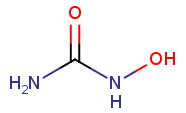
SGD curators use the Chemical Entities of Biological Interest (ChEBI) Ontology, maintained by EMBL-EBI, to describe chemicals used in experiments curated from yeast publications and displayed on SGD webpages.
You may have noticed that we have recently added chemical structures provided by ChEBI to the Chemical pages in SGD! Click the structure to zoom in, click again to zoom back out.
It’s a small detail, but we love this feature, and hope that you do too! Thanks, ChEBI!
Alliance of Genome Resources – Release 6.0
The Alliance of Genome Resources, a collaborative effort between SGD and other model organism databases (MOD), released version 6.0 in September 2023.
Version 6.0 adds new features to gene pages:
- New Paralogy section. Similar to Orthology, the Paralogy data are sourced from the DRSC’s DIOPT tool, which lets you view predictions from several tools at one time. Each table is ranked based on similarity, identity, alignment length, and a count of algorithms (methods) used to predict a paralogous match. See human HSPA1A gene page for an example.
- New Sequence Detail section. For different transcripts of the gene, you can choose to view the sequence for the gene, or its CDS, cDNA, protein, gene with collapsed introns, or genomic sequence with or without 500 bp up and downstream.
- Disease Qualifier. The qualifier describes whether a gene may be, for example, a marker_for the onset of a disease, or implicated_in the severity of a disease.
- Disease “Annotation details”. The pop-up for individual table rows has expanded to include Association, Additional Implicated Genes, Genetic Modifiers, Strain Background, Genetic Sex, Notes, and Annotation Type.
- The Download file from the gene page disease table now includes fields for Additional Implicated Gene ID, Additional Implicated Gene Symbol, Gene Association, Genetic Entity Association, Disease Qualifier, Evidence Code Abbreviation, Experimental Conditions, Genetic Modifier Relation, Genetic Modifier IDs, Genetic Modifier Names, Strain Background ID, Strain Background Name, Genetic Sex, Notes, Annotation Type, and Source URL.
- The Source column entries now link back to their respective resource webpages.
SGD’s Social Media Footprint is Expanding

Discourse, Mastodon, BlueSky – oh my! Social media is in a chaotic period, with once tight-knit communities having been dismantled and thrown into the ether. SGD feels your pain; we have been searching for our audience, waiting for the stardust to settle, coagulate, coalesce…. In the interim, in an effort to reach you, we have set up SGD outposts on various platforms:
Discourse: The Alliance of Genome Resources Community Forum brings together communities of the major model organisms – yeast, worm, fly, zebrafish, frog, rat, and mouse – in one place. Users can create accounts to post announcements and questions, and chat with other researchers in a science-focused arena. Contact SGD for an invited account, which has additional permissions.
Mastodon: We’re just getting started with Mastodon; follow SGD at @yeastgenome@genomic.social
BlueSky: We’ve also just begun with BlueSky; follow SGD at @yeastgenome.bsky.social
We will be cross-posting to the various accounts – come find SGD on these platforms and we can navigate this latest social media adventure together!
Upcoming Conferences and Courses
- TAGC2024 The Allied Genetics Conference
- National Harbor | Washington DC Metro Area
- March 05 to March 10, 2024
- 32nd Fungal Genetics Conference
- Asilomar Conference Grounds, Pacific Grove, CA
- March 12 to March 17, 2024
- 16th Yeast Lipid Conference
- Saarland University, Homburg, Germany
- May 29 to May 31, 2024
- JCS2024: Diversity and Evolution in Cell Biology
- Montanya Hotel & Lodge, Catalonia, Spain
- June 24 to June 27, 2024
- 39th Small Meeting of Yeast Transporters and Energetics (SMYTE)
- University of York, York, United Kingdom
- August 28 to September 01, 2024
- ICY2024: 16th International Congress on Yeasts
- Cape Town International Convention Centre, Cape Town, South Africa
- September 29 to October 03, 2024
Happy Holidays from SGD!


We want to take this opportunity to wish you and your family, friends and lab mates the best during the upcoming holidays. Stanford University will be closed for two weeks starting December 21, reopening on January 4th, 2024. Although SGD staff members will be taking time off, the website will be up and running throughout the winter break, and we will resume responding to user requests and questions in the new year.
Note: If you no longer wish to receive this newsletter, please contact the SGD Help Desk at sgd-helpdesk@lists.stanford.edu.
Categories: Newsletter
Tags: Newsletter
SGD Newsletter, Fall 2021
December 14, 2021
About this newsletter:
This is the Fall 2021 issue of the SGD newsletter. The goal of this newsletter is to inform our users about new features in SGD and to foster communication within the yeast community. You can view this newsletter as well as previous newsletters on our Community Wiki.
Contents
- 1Protein Complex Page Updates
- 2Nomenclature Updates
- 3New links to AlphaFold 3D Predicted Protein Structure Database
- 4DIOPT Orthologs and new queries in YeastMine
- 5Alliance of Genome Resources – latest release
- 6Upcoming Conferences and Courses
- 7Gene Ontology Consortium Fall 2021 Meeting
- 8Happy Holidays from SGD!
Protein Complex Page Updates
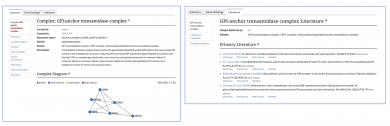
SGD has made recent updates to our protein complex pages to improve clarity and ease of use. The new pages for each complex will have the same format as gene pages, with tabs across the top for each category of information, including a Summary page, a Gene Ontology page, and a Literature page. Just as we do for all of your favorite genes, Gene Ontology and Literature curation for complexes will be ongoing.
If you have any questions or feedback about the updates to our complex pages, please do not hesitate to contact us at any time.
Nomenclature Updates
SGD has long been the keeper of the official Saccharomyces cerevisiae gene nomenclature. Robert Mortimer handed over this responsibility to SGD in 1993 after maintaining the yeast genetic map and gene nomenclature for 30 years.
The accepted format for gene names in S. cerevisiae comprises three uppercase letters followed by a number. The letters typically signify a phrase (referred to as the “Name Description” in SGD) that provides information about a function, mutant phenotype, or process related to that gene, for example “ADE” for “ADEnine biosynthesis” or “CDC” for “Cell Division Cycle”. Gene names for many types of chromosomal features follow this basic format regardless of the type of feature named, whether an ORF, a tRNA, another type of non-coding RNA, an ARS, or a genetic locus. Some S. cerevisiae gene names that pre-date the current nomenclature standards do not conform to this format, such as MRLP38, RPL1A, and OM45.
A few historical gene names predate both the nomenclature standards and the database, and were less computer-friendly than more recent gene names, due to the presence of punctuation. SGD recently updated these gene names to be consistent with current standards and to be more software-friendly by removing punctuation. The old names for these four genes have been retained as aliases.
Legacy gene names
| ORF | Old gene name | New gene name |
|---|---|---|
| YGL234W | ADE5,7 | ADE57 |
| YER069W | ARG5,6 | ARG56 |
| YBR208C | DUR1,2 | DUR12 |
| YIL154C | IMP2′ | IMP21 |
New systematic nomenclature for yeast genes not in the reference genome
For many years, a widely adopted systematic nomenclature has existed for yeast protein-coding genes, or ORFs, as many yeast researchers call them. Readers of the last SGD newsletter will recall that, earlier this year, SGD adopted a new systematic nomenclature for the entire annotated complement of ncRNAs.
We have just put into place a new systematic nomenclature for S. cerevisiae genes that are not found in the reference genome of strain S288C (“non-reference” genes). This new systematic nomenclature is similar to, but distinct from, that used for ORFs and that used for ncRNAs. Non-reference genes are designated by a symbol consisting of three uppercase letters and a four-digit number, as follows: Y for “Yeast”, SC for “Saccharomyces cerevisiae”, and a four-digit number corresponding to the sequential order in which the gene was added to SGD. We currently have 55 of these genes in SGD, some of which are old favorites like MAL21/YSC0004 and MATA/YSC0046, while others are more recent additions like XDH1/YSC0051. Going forward, as evidence is published pointing to other S. cerevisiae genes not present in the S288C reference genome, they will be added to the annotation using the next sequential number available. We already have 15 more of these YSC0000 names reserved by researchers and awaiting publication.
If you have some non-reference genes for which these names would be appropriate, please let us know!
New links to AlphaFold 3D Predicted Protein Structure Database
Would you like to see the shape of your protein?
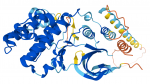
SGD now contains links to AlphaFold in the Resources sections of the Summary, Protein, and Homology pages for every gene.

- The links through SGD give quick access to EMBL’s European Bioinformatics Institute (EMBL-EBI), which offers a new, highly accurate tool for predicting protein structure with speed and clarity.
- Given a peptide sequence for an uncharacterized protein, AlphaFold will model predicted domains and provide relative confidence levels for each portion of the prediction.
- The predicted domains can then be compared to known protein structures (using a tool such as PDBeFold) to seek matches to characterized protein families.
- Whether or not a family is identified, the comparison will yield clues to protein function to help design the next experiments.
DIOPT Orthologs and New Queries in YeastMine

We recently replaced HomoloGene, Ensembl, TreeFam and PANTHER homology datasets in YeastMine with homology data from DIOPT (DRSC integrative ortholog prediction tool). DIOPT integrates orthology predictions from multiple sources, including HomoloGene, Ensembl, TreeFam, and PANTHER. Using the Gene->Non-fungal and S. cerevisiae Homologs pre-generated query, you can look for DIOPT homologs for a single or multiple yeast genes. The results table provides identifiers and standard names for the yeast and homologous genes, as well as organism and predictive score information. As with other YeastMine templates, results can be saved as lists and analyzed further.
Pre-generated queries for human homolog(s) of your favorite yeast gene and their corresponding disease associations remain largely unchanged. You can begin with your favorite human gene or disease keyword and retrieve the yeast counterparts of the relevant gene(s). As an example, you can search for the S. cerevisiae homologs of all human genes associated with disorders that contain the keyword “diabetes” (view search). The results table provides identifiers and standard names for the yeast and human genes, OMIM gene and disease identifiers and name, as well as predictive algorithm sources and scores.
Alliance of Genome Resources – Recent Release

The Alliance of Genome Resources, a collaborative effort from SGD and other model organism databases (MOD), released version 4.1 this past August. Notable improvements and new features include:
- Human and model organism high throughput (HTP) variant data
- Human variants are imported from Ensembl
- Model organism HTP variants are submitted by Alliance members (FlyBase, RGD, SGD, Wormbase) or imported from EVA (MGI and ZFIN).
- Added HTP variants to the Alleles and Variants table on gene pages (e.g. rat Lepr Gene page) and to the table on the Alleles and Variants Details page (e.g. rat Lepr Alleles and Variants Details.
- Created a report page for Human and model organism HTP variants (e.g. human variant rs1041354454).
- Expanded Allele Category in search to “Allele/Variant” and added a search for HTP variants.
- On Gene Pages, a new Pathways widget displays via tabs:
- Reactome models of pathways for human gene products as well as inferred pathways for model organism genes based on orthology to human genes.
- Reactome reactions for gene products (e.g. human TP53 Gene page)
- Gene Ontology Causal Activity Models (GO-CAMs). These provide a framework to represent a biological system by linking together multiple GO annotations. PMID:31548717 (e.g. worm nsy-1 Gene page).
- Experimental conditions are include for Disease and Phenotype data in tables on Gene, Allele, and Disease pages (e.g. zebrafish scn1lab Gene page).
- AllianceMine added Orthologs, and Allele and Variants (low throughput) data types to this release. You can now query for these data types via pre-made template queries.
- The Alliance Community Forum is released. The Forum permits discussions across six model organism communities—flies, mice, yeast, rats, worms, and zebrafish. More details will follow.
Upcoming Conferences and Courses
- Fungal Genetics – the premier meeting for the international community of fungal geneticists
- Asilomar Conference Grounds, Pacific Grove, California (and Online)
- March 15 – 20, 2022
- 36th International Specialised Symposium on Yeasts (ISSY36) – Yeast Sea to Sky – Yeast in the Genomics Era
- University of British Columbia, Vancouver
- July 12 – 16, 2022
- CSHL Yeast Genetics & Genomics – modern, intensive laboratory course that teaches students full repertoire of genetic and genomic approaches
- Cold Spring Harbor Laboratory, NY
- July 26 – August 15, 2022
- Yeast Genetics Meeting – the premier meeting for students, postdoctoral scholars, research staff, and principal investigators studying various aspects of eukaryotic biology in yeast
- University of California, Los Angeles
- August 17 – 21, 2022
Gene Ontology Consortium Fall 2021 Meeting

From October 12-14, SGD biocurators attended the Gene Ontology Consortium’s Fall Meeting with participants from around the world. The goal of these meetings is to bring together data scientists with diverse backgrounds (curators, programmers, etc.) for lively discussions regarding how to better capture, curate, analyze, and serve data to researchers, educators, students, and other life science professionals. Our goal in participating in these meetings each year is to find ways to make SGD even better for you!
Discussion topics included, but were not limited to:
- LitSuggest – web-based system for biomedical literature recommendation and curation
- ECO, Evidence and Conclusions Ontology – terms used to describe types of evidence and assertion methods
- PAINT, Phylogenetic Annotation and INference Tool from PANTHER – orthology between reference genome genes and human disease genes
Happy Holidays from SGD!

We know that 2021 has been another challenging year for everyone. Our thoughts go out to all those who have been impacted by recent events. We wish you and your family, friends, and lab mates the best during the upcoming holidays.
Stanford University will be closed for two weeks starting December 20, and will reopen on January 3rd, 2022. Although SGD staff members will be taking time off, the website will be up and running throughout the winter break, and we will resume responding to user requests and questions in the new year.


Categories: Newsletter